
About Me
I was rejected by 100+ companies. Years later, I was building one of my own.
I didn’t start with a business plan, connections, or a clear idea of how to become an entrepreneur. I started by trying to get a job. Then I learned to create my own opportunities.
Today, I’m the founder of SmartClick, a business growth consultant, mentor, podcast host, and speaker. But the most valuable part of my journey isn’t the titles. It’s everything I had to learn between them.
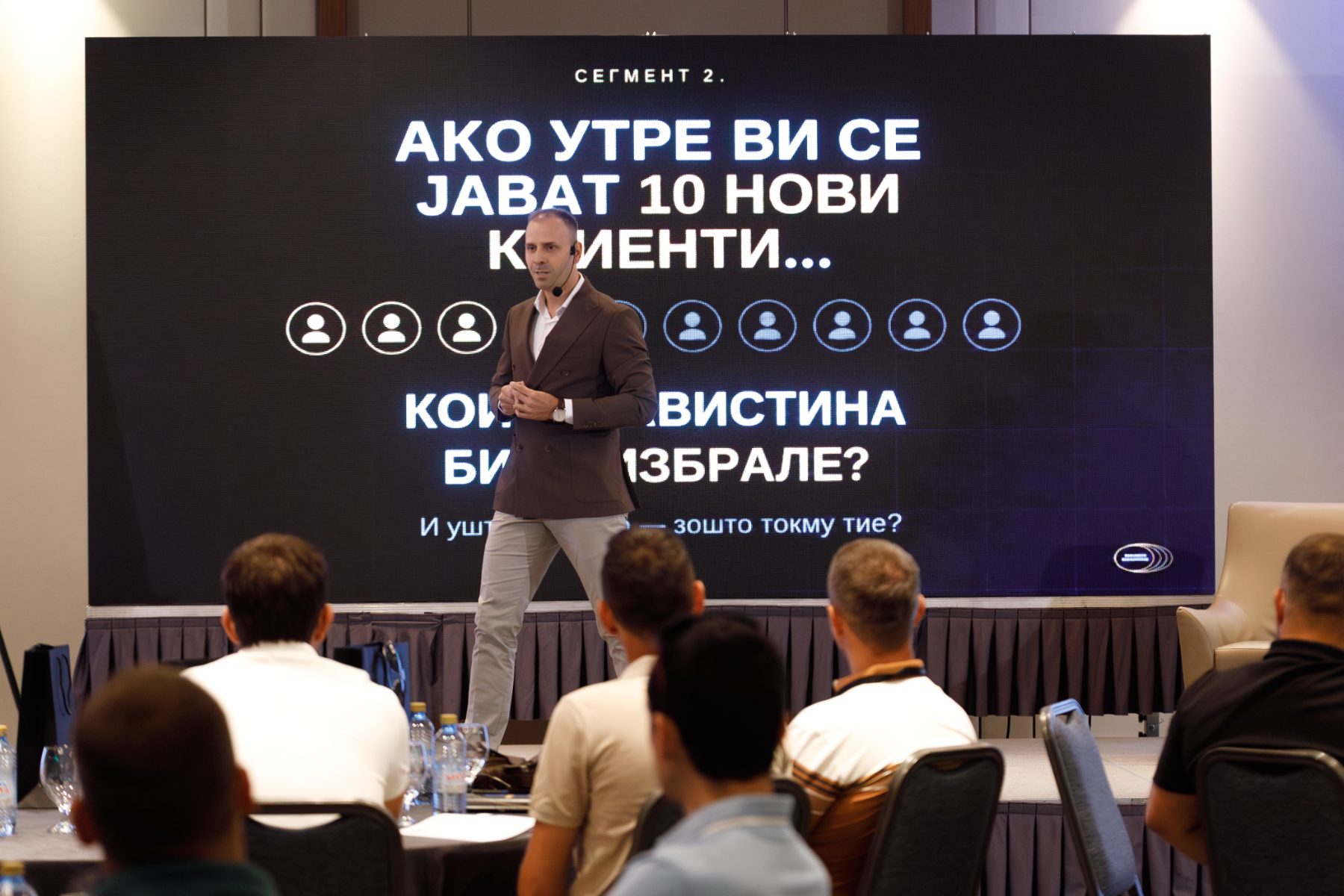
Every new chapter asked me to become someone I wasn’t yet.
At first, I thought success meant becoming really good at a skill. Later, I thought it meant finding better clients and earning more. Then I built a team and discovered that neither technical expertise nor hard work automatically makes you a good business owner.
I had to learn how to sell, delegate, hire, lead, build systems, navigate uncertainty, and make decisions when there was no perfect answer. Some lessons came from wins. The ones that stayed with me often came from mistakes.
This is the story behind the work I do today, and why I care so much about helping ambitious people make the transition from doing everything themselves to building something bigger than themselves.
My journey
Six chapters. Each one changed how I think about business.
100+ rejections. One important decision.
I had a degree to work toward, a lot of ambition, and very little professional experience. I applied to more than 100 companies, only to hear the same thing: we need someone with experience.
It was frustrating. How was I supposed to gain experience if nobody would give me a chance?
So I stopped waiting for permission. I took practical work where I could find it, including unpaid opportunities, and taught myself programming in the evenings. In 2011, I got my first full-time developer job. I was earning roughly €200 a month, but for the first time, I could see a path forward.
What changed
I learned that progress starts when you take ownership of what you can control.
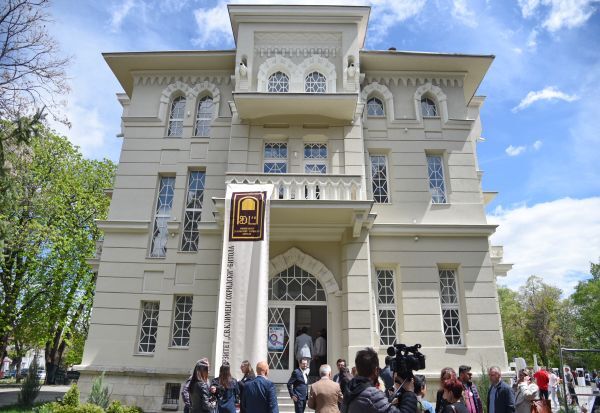
Leaving the safe path.
By 2014, I had a stable developer job. It was also becoming clear that my ambitions were bigger than the opportunities immediately around me. I made a decision that felt exciting and uncomfortable at the same time: I left employment and started freelancing.
I didn’t have a pipeline of guaranteed clients. I had skills, persistence, and a willingness to figure out the rest.
My first projects were small. Then international clients started trusting me with bigger work. I learned to pitch, negotiate, manage expectations, and deliver. I became Top Rated on Upwork, increased my rates, and eventually coordinated other freelancers to keep up with demand.
What changed
I stopped thinking only like a developer and started thinking like someone responsible for finding and keeping customers.
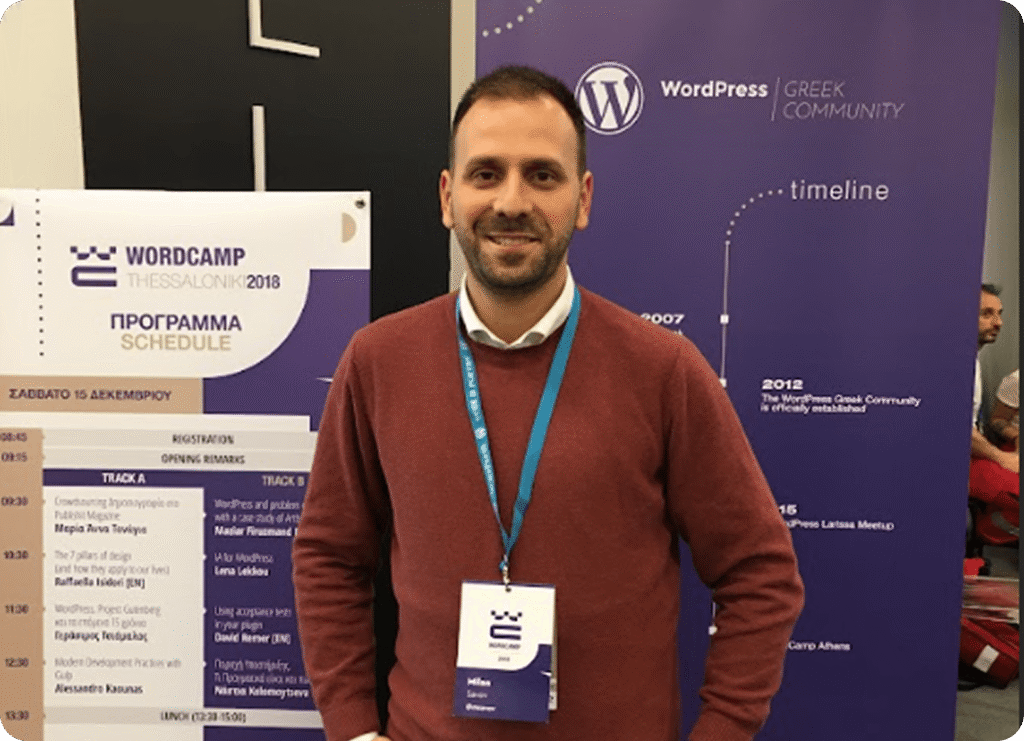
From selling my time to building a company.
Freelancing was working. But I was running into a ceiling: if every project depended on me, how much of a business was I really building?
In 2018, I founded SmartClick and hired my first employee. The transition was far harder than I expected. An early business arrangement did not work out, and I had to keep the business moving while people were counting on me.
There were difficult conversations and plenty of uncertainty. I chose to be transparent with the team, keep showing up for clients, and find the next opportunity. I later operated SmartClick in a business partnership, and our team expanded its capabilities across web development and organic growth.
Then the pandemic arrived. Like everyone else, we had to adapt. The lesson was becoming clear: a company needs resilience and clarity, not just good work.
What changed
I learned that being responsible for a team is very different from being responsible only for your own results.

Learning to lead, not just manage.
As SmartClick took on larger projects and the team grew, my role changed. I was no longer just the person who could solve a technical problem. I had to create the conditions for other people to do great work.
I invested deeply in coaching, business education, leadership, and communication. Some years brought breakthrough projects and strong growth. Others exposed gaps in delegation, accountability, and decision-making.
I discovered an uncomfortable truth: growth can make your weaknesses more visible. A bigger team doesn’t automatically mean a stronger company. If priorities, responsibilities, and expectations are unclear, the founder can still become the bottleneck.
What changed
I began focusing less on how much I could personally do and more on how well I could help others succeed.

Stepping outside the office changed everything.
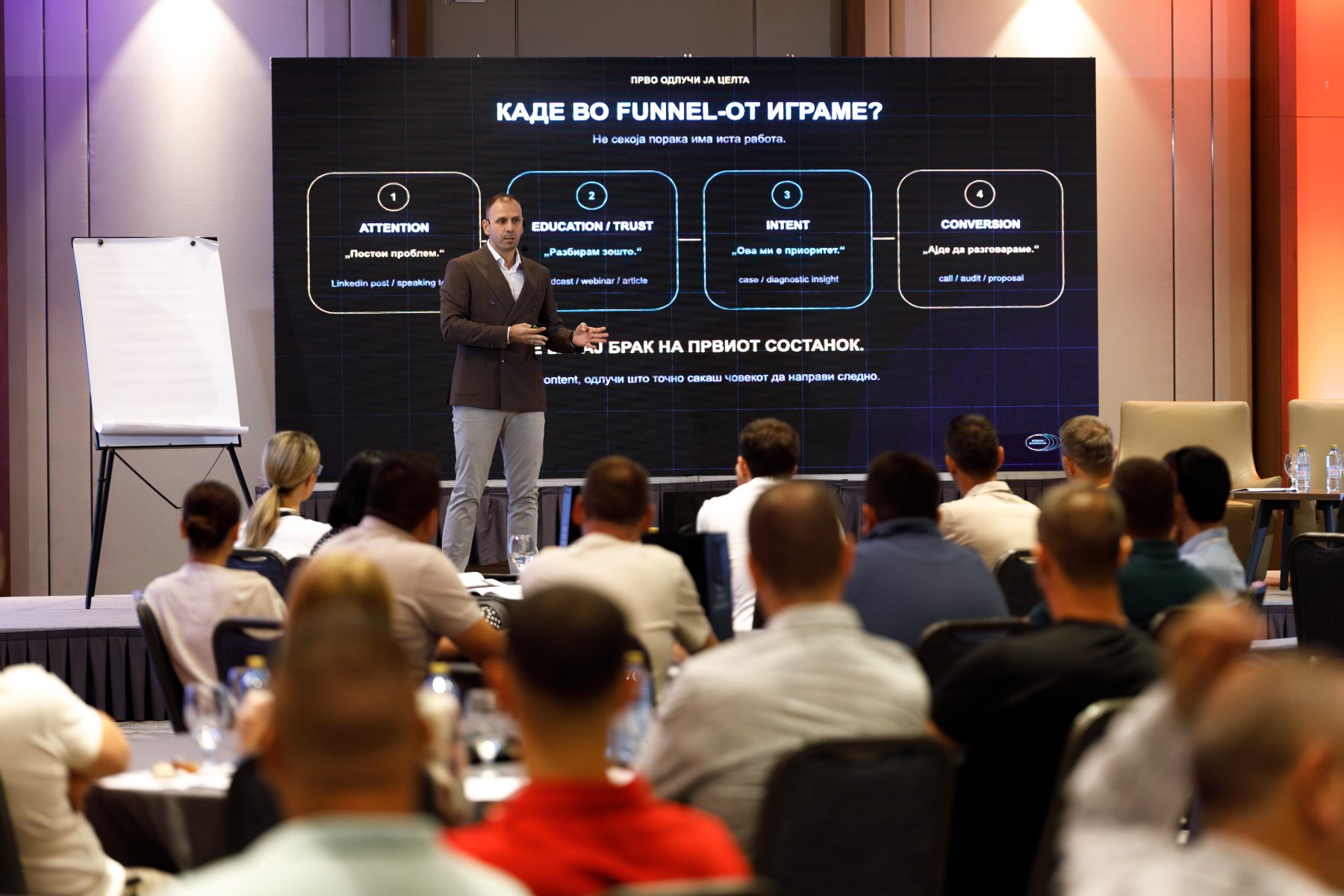
For years, I believed the most valuable thing I could do was stay close to the work. Then I started deliberately spending more time meeting founders, attending industry events, learning from people further along, and sharing what I had learned.
That decision opened doors I could not have planned for. I spoke at conferences, joined conversations across the European SaaS community, launched the Leaders of Growth podcast, mentored entrepreneurs, and created The Visionary Circle, a mastermind built around honest conversations and meaningful progress.
Something else changed too: I stopped waiting until I felt fully ready to share my perspective. I realized that useful experience does not require a perfect success story. It requires the willingness to reflect and be helpful.
What changed
My greatest business opportunities increasingly came from relationships, trust, and the ideas I was willing to share.
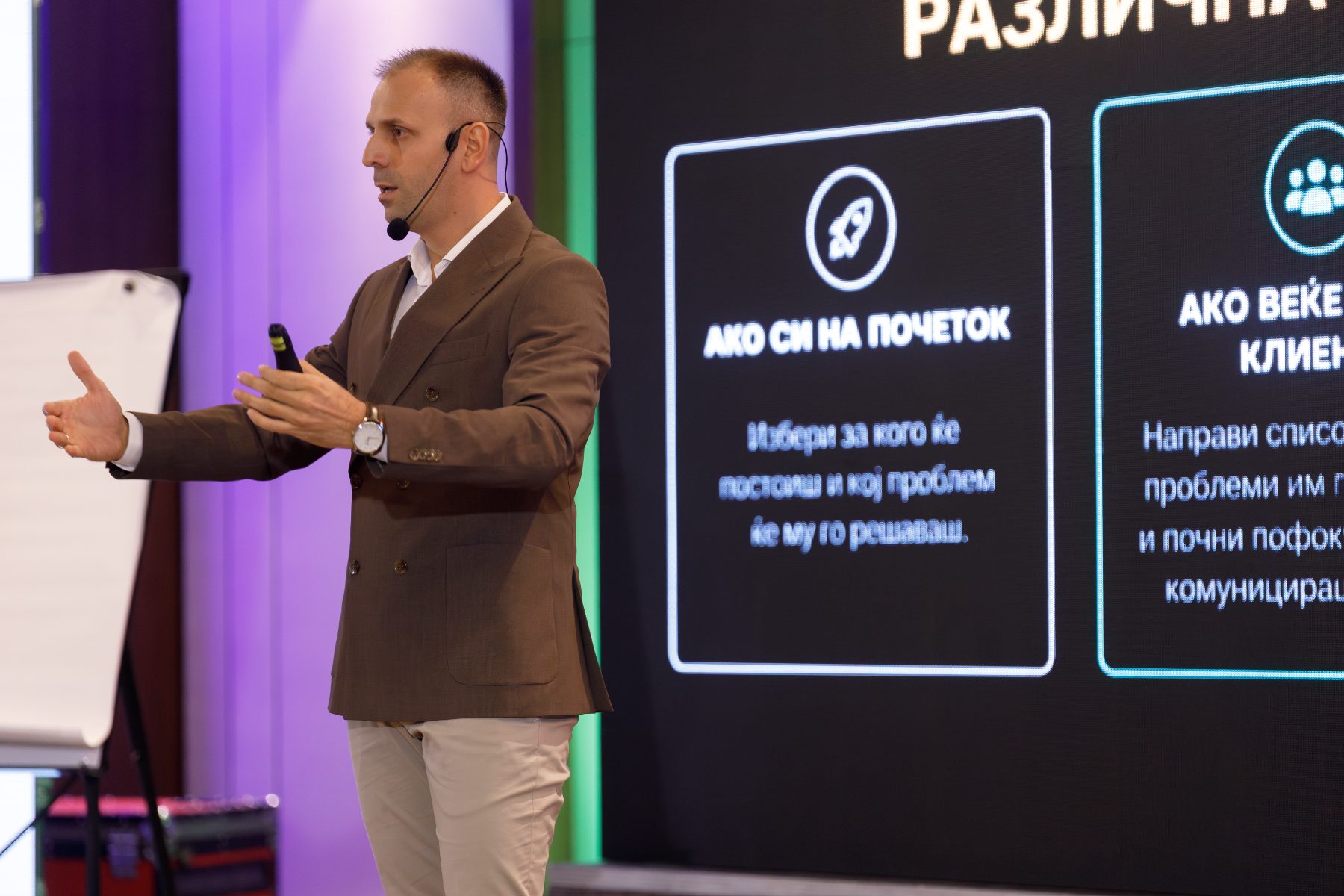
A new chapter: helping other founders grow.
The longer I’ve been in business, the more I’ve understood that leadership isn’t proven only when things go well. It shows up most clearly in difficult decisions, changing priorities, and moments when you have to question what worked before.
In recent years, I’ve had to rethink structures, take greater ownership of strategic choices, and become more intentional about where I create the most value. That experience has sharpened my interest in advisory work, mentoring, and helping founders build businesses with better positioning, stronger sales, clearer accountability, and less dependence on one person.
I still build, learn, and make mistakes. I’m not looking back from a finish line. I’m using what I’ve learned so far to help others make better decisions earlier in their own journeys.
What changed
Success is no longer just about building my own business. It is also about helping others build theirs.
What I believe today
A business should create opportunity, not just another job for its founder.
I know what it feels like to be the person finding clients, doing the work, solving problems, and carrying every decision. I also know that working harder is not always the way out.
Over time, five principles have shaped the way I build businesses and work with entrepreneurs:
Clarity before speed.
If you don’t know whom you serve, what problem you solve, or what matters most, more activity creates more noise.
Ownership over excuses.
You cannot control every outcome, but you can take responsibility for your decisions.
People and systems create leverage.
The goal is not to be needed everywhere. It is to build a business that can perform beyond your own hours.
Relationships compound.
The right conversation, introduction, or mentor can change the direction of a business.
Keep learning, especially when it’s uncomfortable.
Growth demands that you challenge the thinking that got you here.
Education & continuous growth
Most of my business education happened beyond the classroom.
I hold a Master’s degree in Software Engineering. But most of my business education has happened beyond the classroom: through clients, mentors, coaching, leadership programs, masterminds, and the consequences of real decisions.
My learning journey has included NLP training, leadership development through Macedonia2025, work with business coaches and strategic advisors, and programs focused on entrepreneurship, communication, and commercial growth.
I don’t see education as a list of certificates. I see it as a responsibility to keep becoming more useful to the people who trust me.
Programs, coaching & certifications
- NLP Master Certification
- Mario Peshev Async Consultancy
- Coaching with Kilian Markert
- The Leader Project
- Tony Robbins KBB
- Dan Lok Programs
- Mastermind Groups
Where I share what I learn
On stage and on the mic.
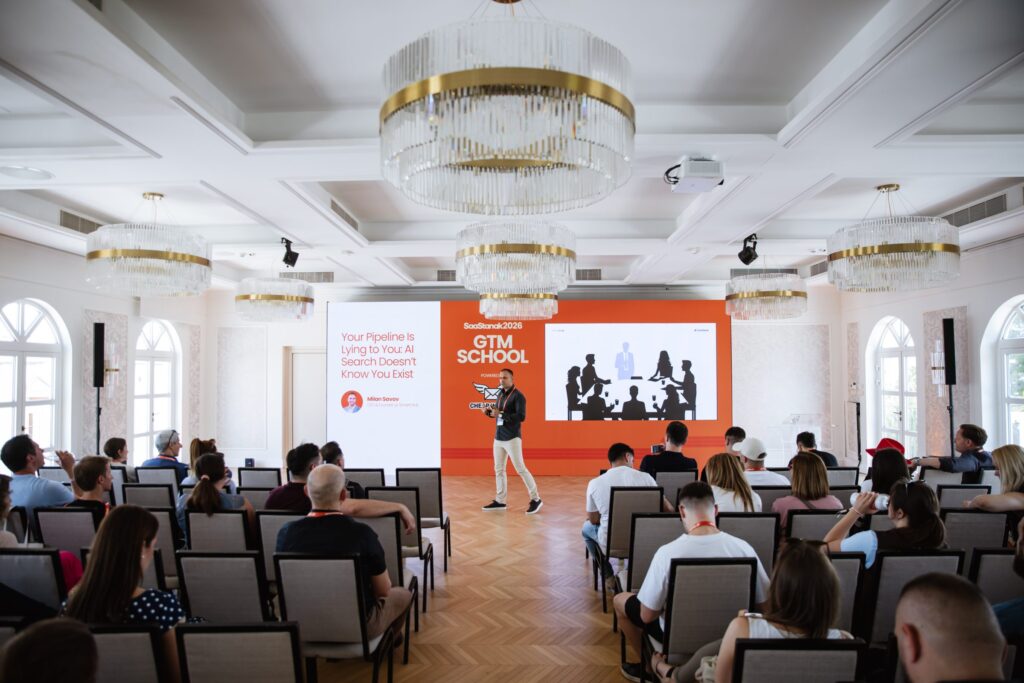
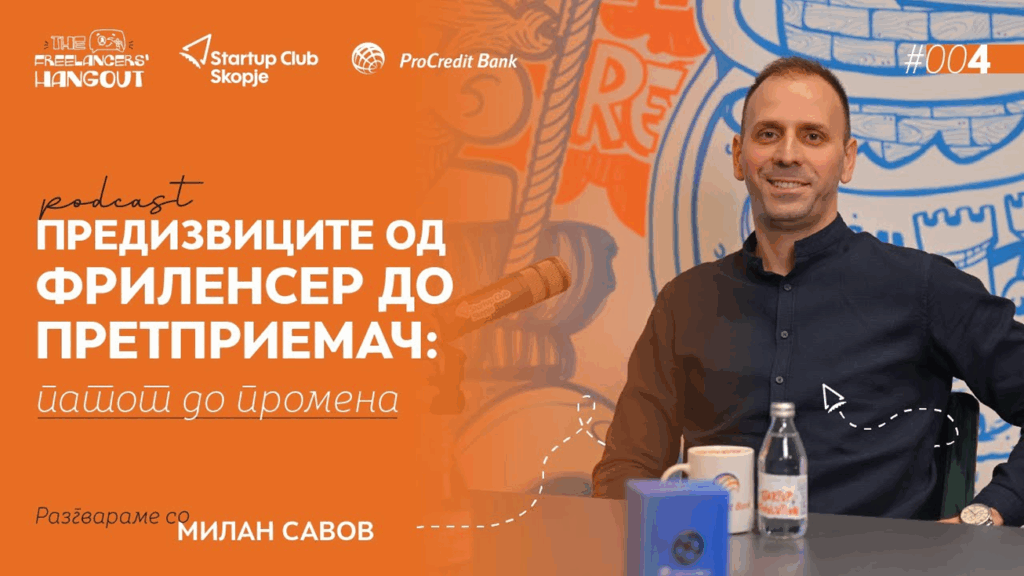
On stage, through Leaders of Growth, in The Visionary Circle, and in my writing, I explore the practical side of entrepreneurship: growing a service business, finding better customers, building teams, developing leaders, and navigating the decisions nobody can make for you.

Press
In the media
 TheNextWeb
Your next pipeline miss may start in AI SearchAcross the B2B SaaS teams I work with, a pattern is starting to repeat. Pipeline feels less predictable.
Read on TheNextWeb →
 IT Logs
Mindset Shifts for Startup GrowthWhat skills should a leader possess to help employees grow?
Read on IT Logs →
 Native Teams
From Freelance Web Developer to Agency FounderThe challenges of a transition from a freelancer to a business owner.
Read on Native Teams →
My vision
Help ambitious people build businesses they’re proud to run, and lives they have time to enjoy.
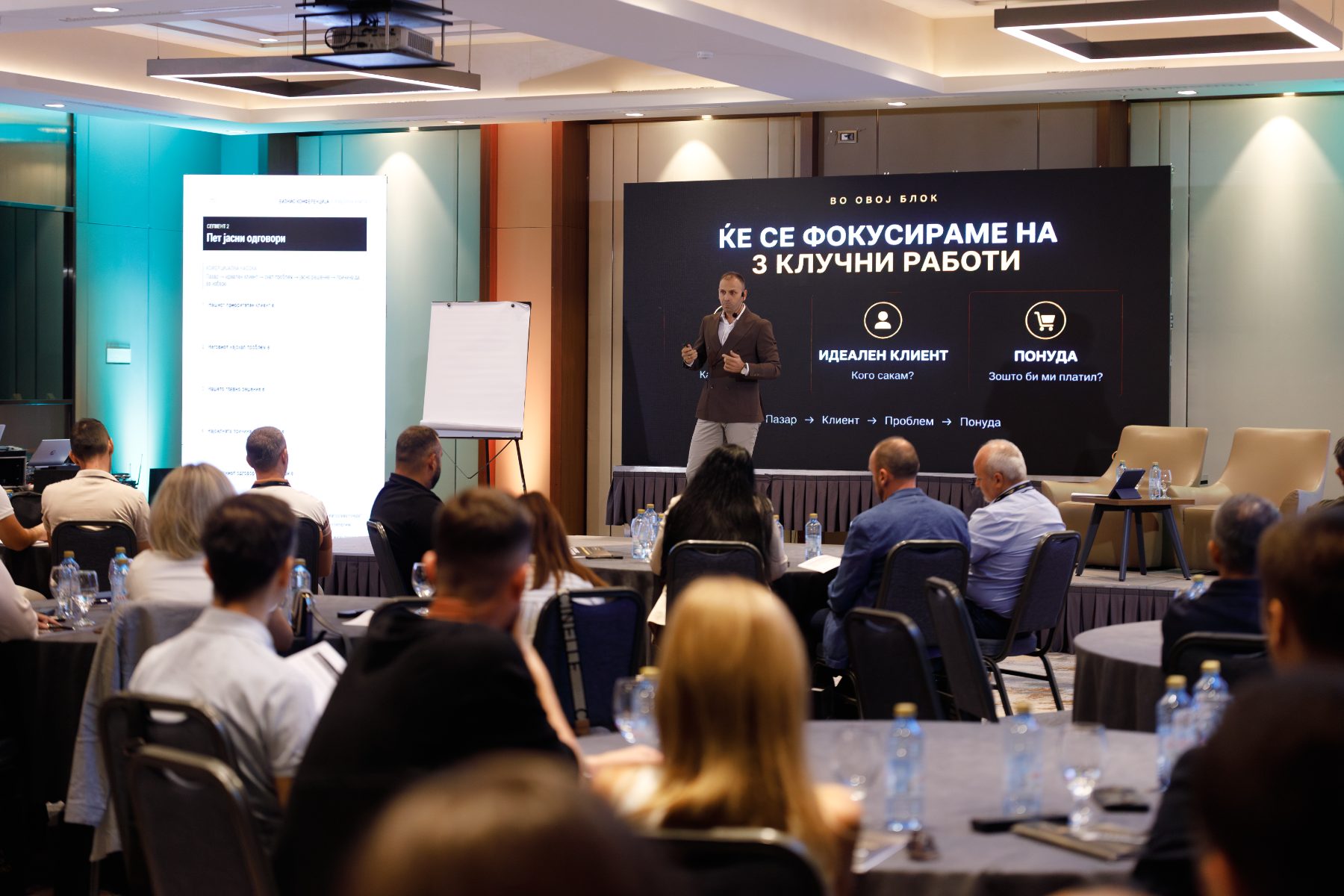
I want more freelancers to become confident business owners, and more founders to become leaders who can build teams, make clear decisions, and create sustainable growth.
That’s where I want to invest more of my energy: advising, mentoring, building valuable relationships, and contributing to businesses with the ambition to become something meaningful.
I don’t believe there’s a shortcut around the hard parts. But I do believe you can avoid repeating some of the mistakes others have already made.
Your company grew. Your role needs to grow with it.
One hour. Your real business. A clear next move.